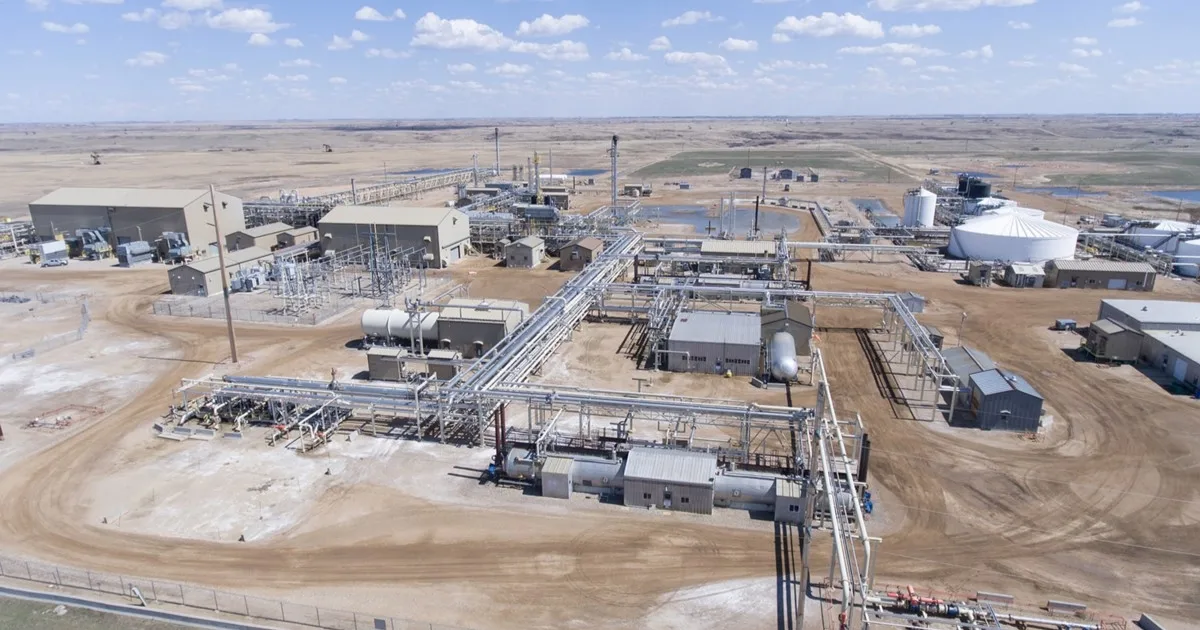







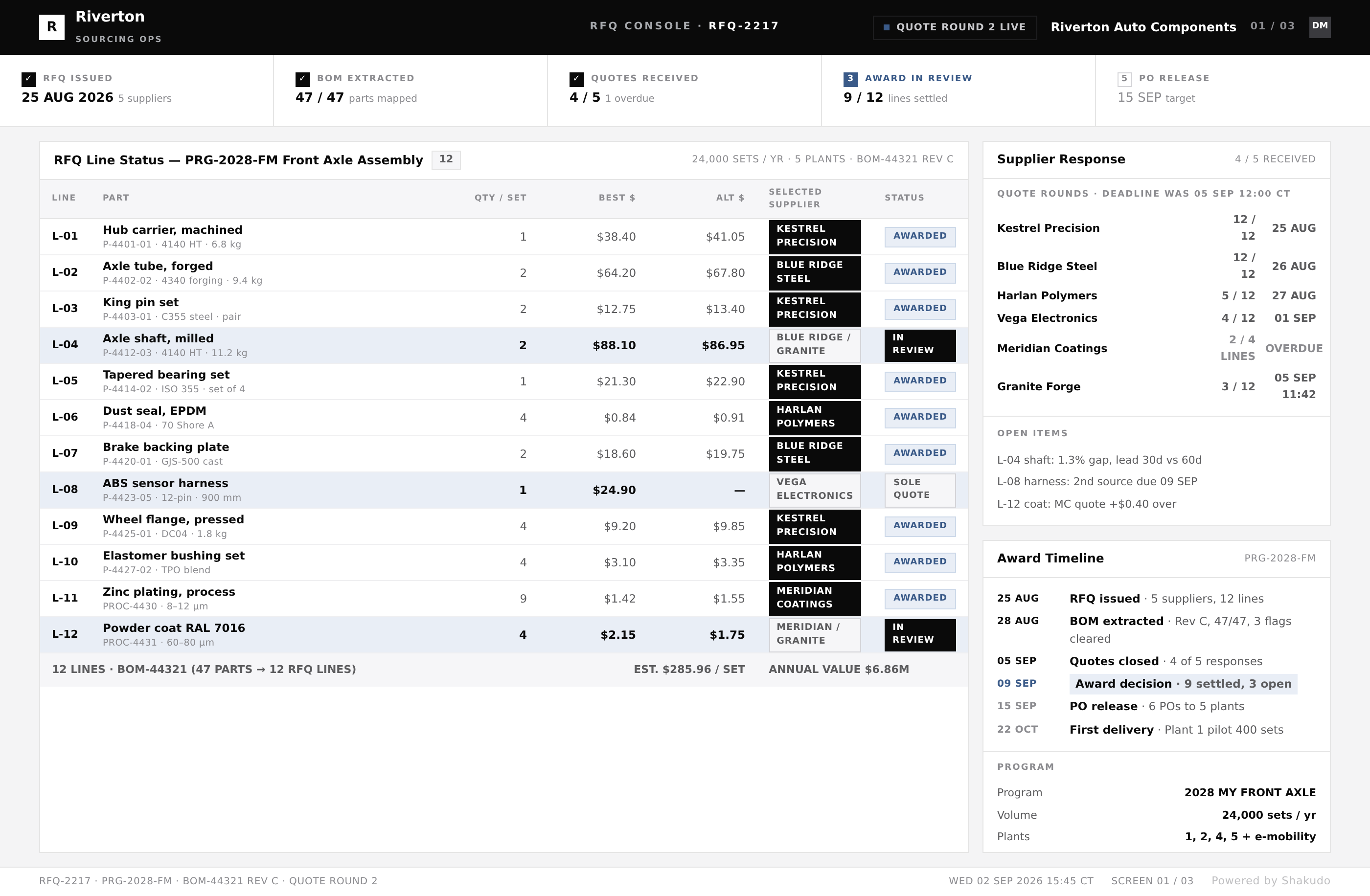
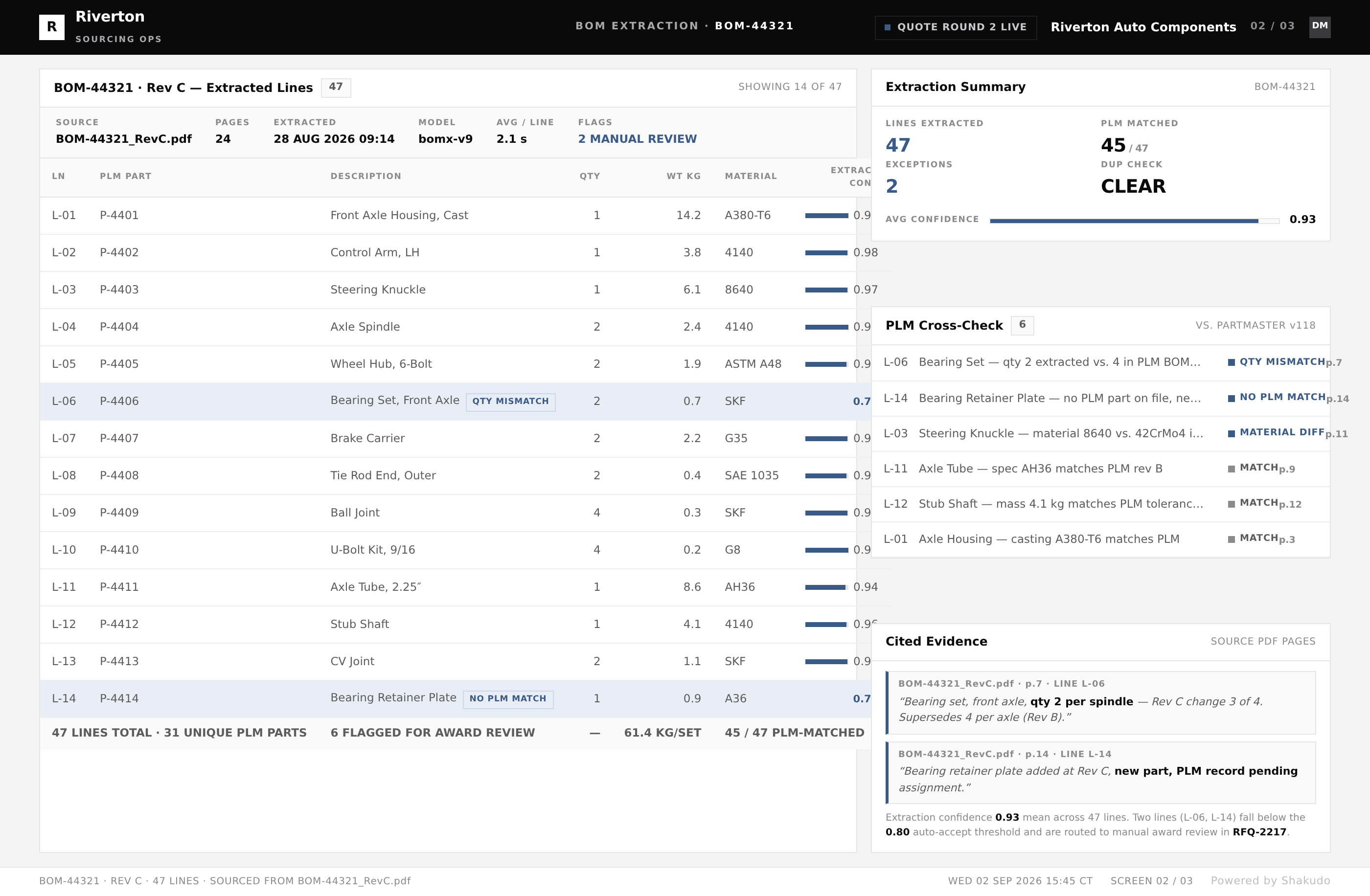
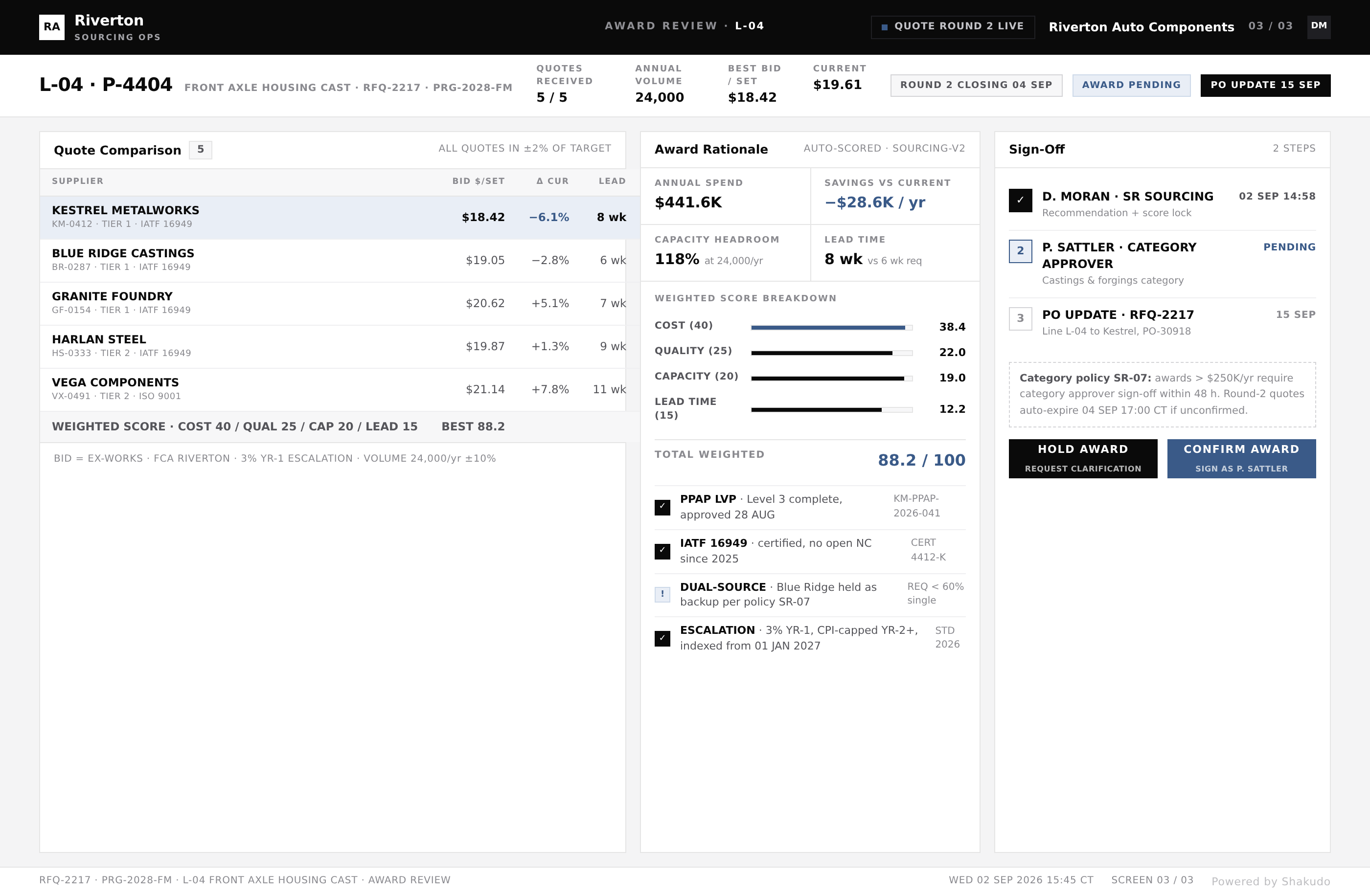
Three screens from a live run: the RFQ queue, the extracted BOM, and the approval.
1–2 / 3
Automotive suppliers spend weeks pulling bill of materials data out of CAD and CATIA files by hand, and each drawing carries dozens of part numbers, quantities, and material specifications that have to be transcribed perfectly. A single missed component or misread tolerance can stall a supplier quote or delay production. Done well, AI extraction and RFQ automation cuts that cycle from days to minutes and builds RFQs up to 85 percent faster.
Manual BOM preparation drains engineering and procurement time while introducing errors that follow a project through sourcing and production. In automotive, vehicle programs face frequent BOM changes across multi-tier supply chains with fixed launch timelines. Sourcing teams spend critical weeks reconciling quotes before they can lock awards. Each part number, quantity, and material specification must be transcribed from complex engineering drawings into procurement systems one line at a time.
A single error in part classification or quantity can cascade through the supply chain. Wrong quantities lead to overstock or shortage. Misclassified components go to the wrong suppliers, who quote on parts they cannot manufacture. The result is delayed quotes, rework, and missed launch deadlines. Manual categorization line by line drains engineering hours and slows the entire RFQ cycle. Industry data shows automotive sourcing teams can spend up to 23 production days per year recovering from procurement errors and supply disruptions.
Shakudo deploys an extraction and RFQ pipeline that reads engineering drawings directly and turns them into a sourcing-ready bill of materials and standardized RFQ packages. It delivers three measurable outcomes: RFQs built up to 85 percent faster than manual preparation, one engineer handling roughly twice the quotation volume, and a data entry error rate that stops cascading through production.
The pipeline ingests CAD files, CATIA files, PDFs, and spreadsheets in batch uploads of up to 100 files at once. Classification models read the drawings and extract part numbers, dimensions, material specifications, and quantities, then categorize each component, merge duplicates, and structure the output into a sourcing-ready bill of materials with confidence scores on every field. The extracted BOM then feeds directly into RFQ generation: each line item is matched to the appropriate supplier category, quantities are validated against drawing callouts, and technical specifications are formatted into standardized RFQ templates. Low-confidence extractions are flagged for human review rather than silently passing errors downstream.
This is for the teams in automotive and transportation supply chains that own the RFQ cycle: sourcing and procurement teams reconciling supplier quotes, engineering and program teams managing BOM changes across multi-tier supply chains, and cost analysts building should-cost estimates ahead of awards. It fits organizations where vehicle programs carry fixed launch deadlines and design changes arrive faster than manual transcription can keep up.
AI BOM extraction achieves high accuracy on standard drawings, with confidence scores on every extracted field. Low-confidence items are flagged for human review rather than passing errors silently. Accuracy depends on drawing quality and training data, but the system improves over time as it processes more files from the company's own engineering standards and supplier requirements.
Yes. The system processes CATIA files alongside other CAD formats, 2D drawings, PDFs, and spreadsheets commonly used in automotive engineering. Batch uploads handle up to 100 files at once, extracting technical specifications and categorizing parts across multiple file types in a single automated workflow run without manual intervention.
Deployment timelines depend on integration depth and the variety of CAD formats in use. A basic extraction pipeline can be operational in weeks when built on an existing AI platform. Full integration with PLM, ERP, and costing tools adds time but follows an incremental path where each connected component delivers value independently.
The pipeline connects to existing PLM and ERP systems through standard APIs. Extracted BOM data flows directly into procurement workflows without manual handoff. The system adapts to the company's current tool stack rather than requiring a replacement of existing infrastructure, preserving prior investments in engineering and procurement software.
When the goal is an RFQ cycle built on your own drawings, a conversation with Shakudo is the fastest way to see it on your own CAD data. The pipeline deploys on your infrastructure, on-prem or in your cloud, a first working pipeline is in place within days, and you can book a demo to watch it run.
Automotive suppliers use AI to extract bill of materials data directly from CAD and CATIA engineering drawings and auto-generate RFQ packages for suppliers. The system reads part numbers, quantities, and material specifications, then structures them into standardized documents ready for procurement. Teams reduce manual data entry errors and accelerate supplier quoting cycles.










"What drew me in is simple. When developers ship production-ready code this quickly, how can I have environments spun up fast enough? Shakudo is how we close that gap."


"Shakudo does not just provide the platform. It is a real partnership. They are always there to help and execute our vision faster and the right way. It is like a co-team working together to achieve our goals."